
NFPA 1850 Guidance
The National Fire Protection Association (NFPA) has developed PPE care and guidelines to protect the health and safety of the fire service. The NFPA 1850 standard established proper PPE maintenance and was designed to limit the exposure of fireground contaminants to firefighters.
The standard covers the selection, care, and maintenance of structural and proximity firefighting PPE and SCBAs, combining the old NFPA 1851 and NFPA 1852 Standards. It's a comprehensive guide to keeping gear in top shape and maintaining peak performance while helping to reduce your risk of health and safety issues commonly associated with improper PPE maintenance, contamination, or wear.
At Gear Wash, we think it's important for all firefighters to follow NFPA 1850 guidelines; that's why we offer educational content for any department interested in keeping current on standard updates and training on proper firefighting PPE cleaning, and inspection techniques.
We also offer hands-on training for any department that wants to learn more about this vital topic.
NFPA 1850 Topics
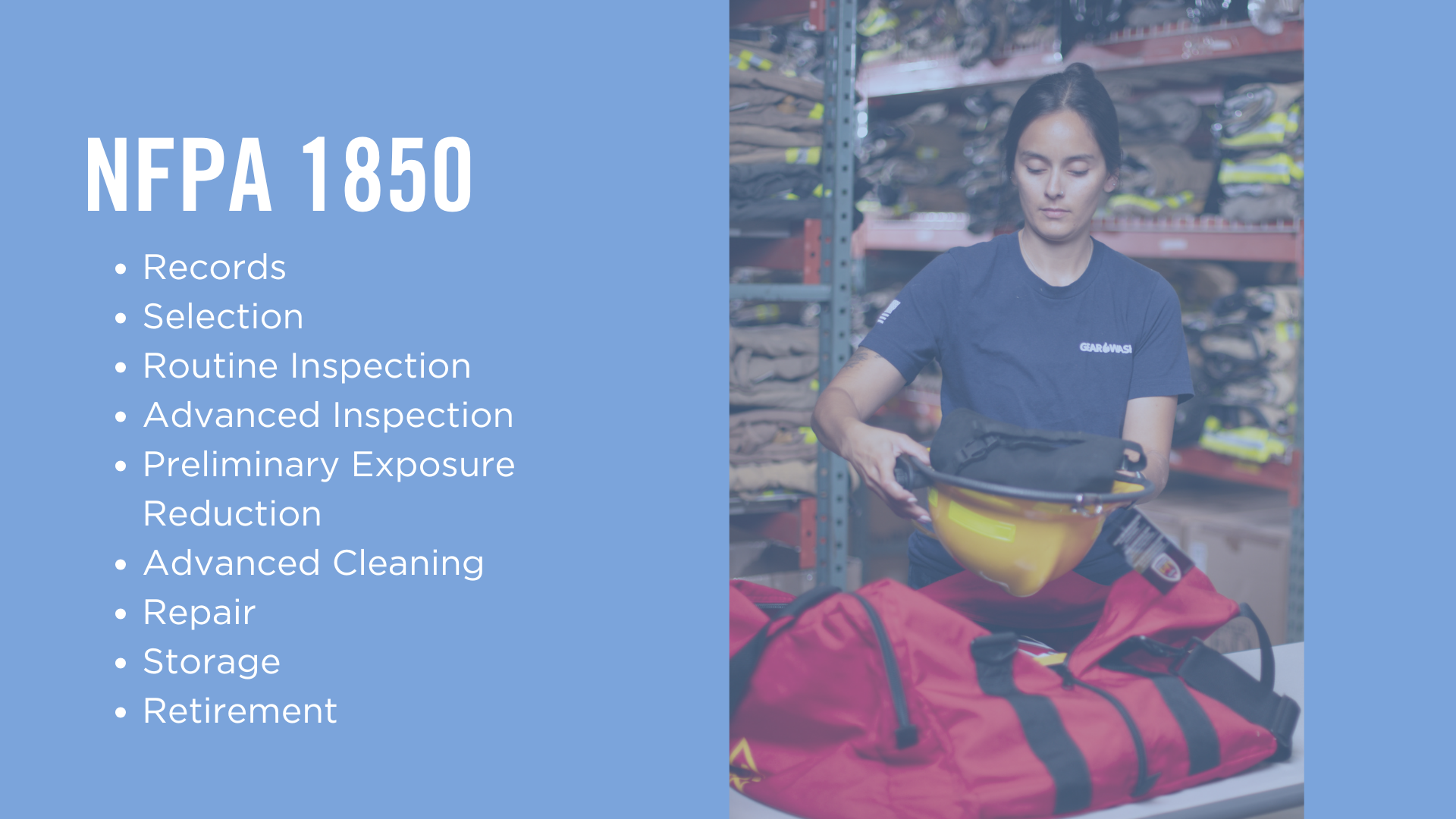
The guide provides chapters on the following topics. Skip directly to topic by selecting the section below.
Record Keeping
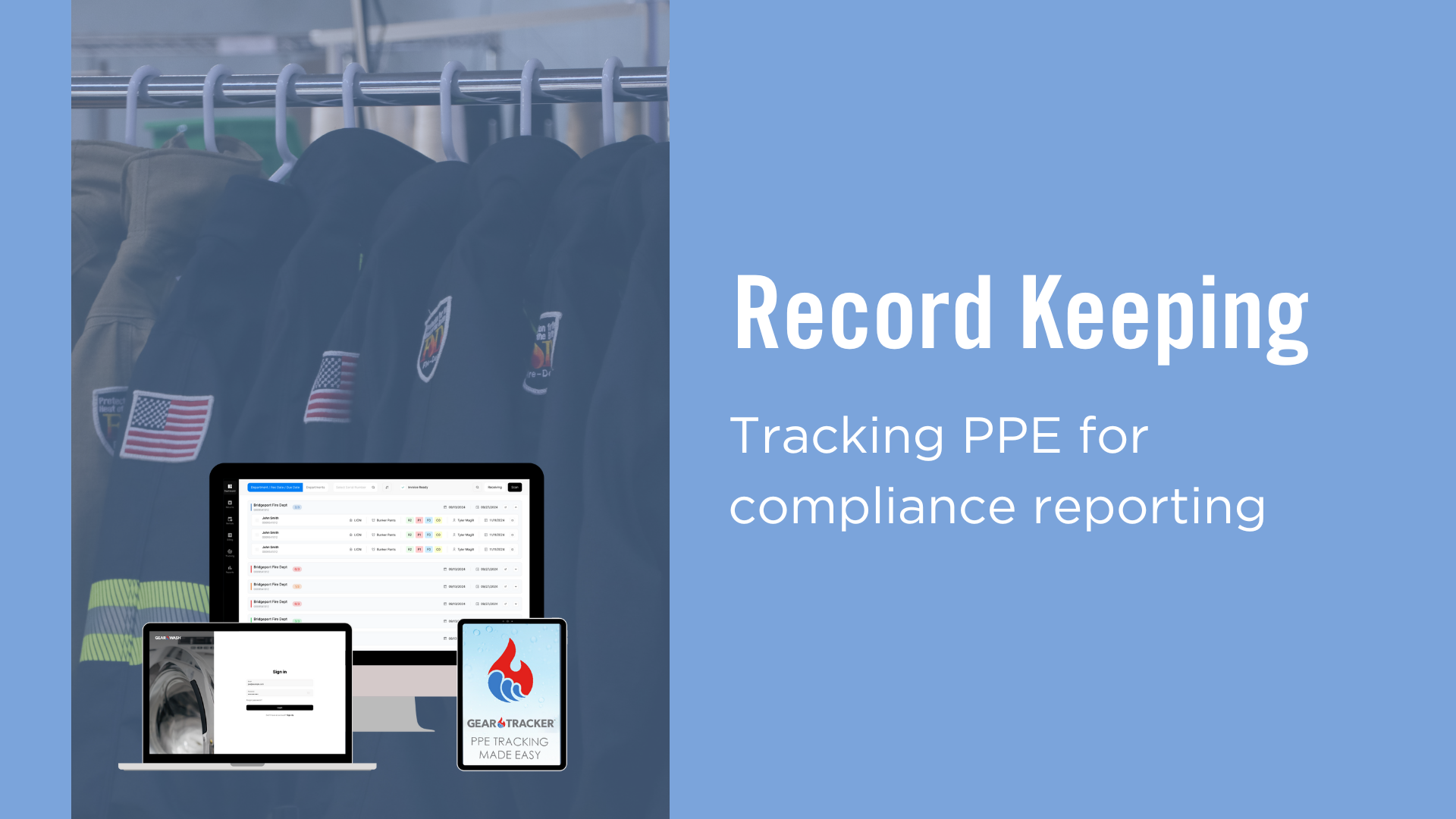
The standard requires documentation and maintenance of records on firefighting PPE elements, including rental and loaner gear. Record information should include:
- To whom gear is issued
- Manufacturer details
- Inspections, cleanings, and repairs
- When gear is retired and its disposal method
Record keeping is aimed at reducing safety risks related to poorly maintained, contaminated, or damaged PPE. Explore our free record keeping system.
Selection
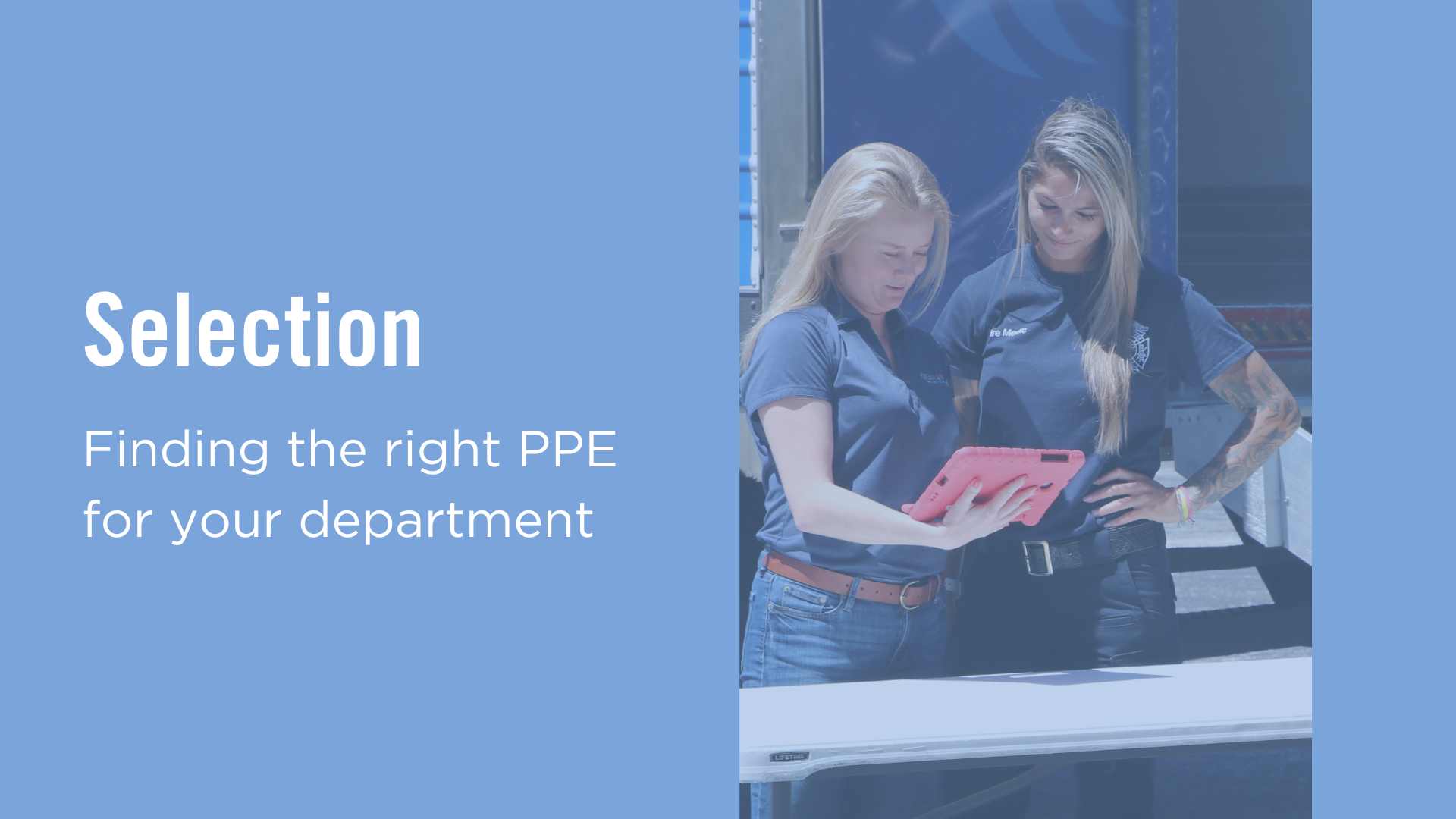
Prior to the selection process, perform a risk assessment to evaluate the comparative strengths and weaknesses of the elements under consideration, ensure the proper interface between ensemble elements, and confirm the PPE is suitable for the hazards and scenarios your fire department will encounter.
A field evaluation may be conducted to compare the performance of the products.
Routine Inspection
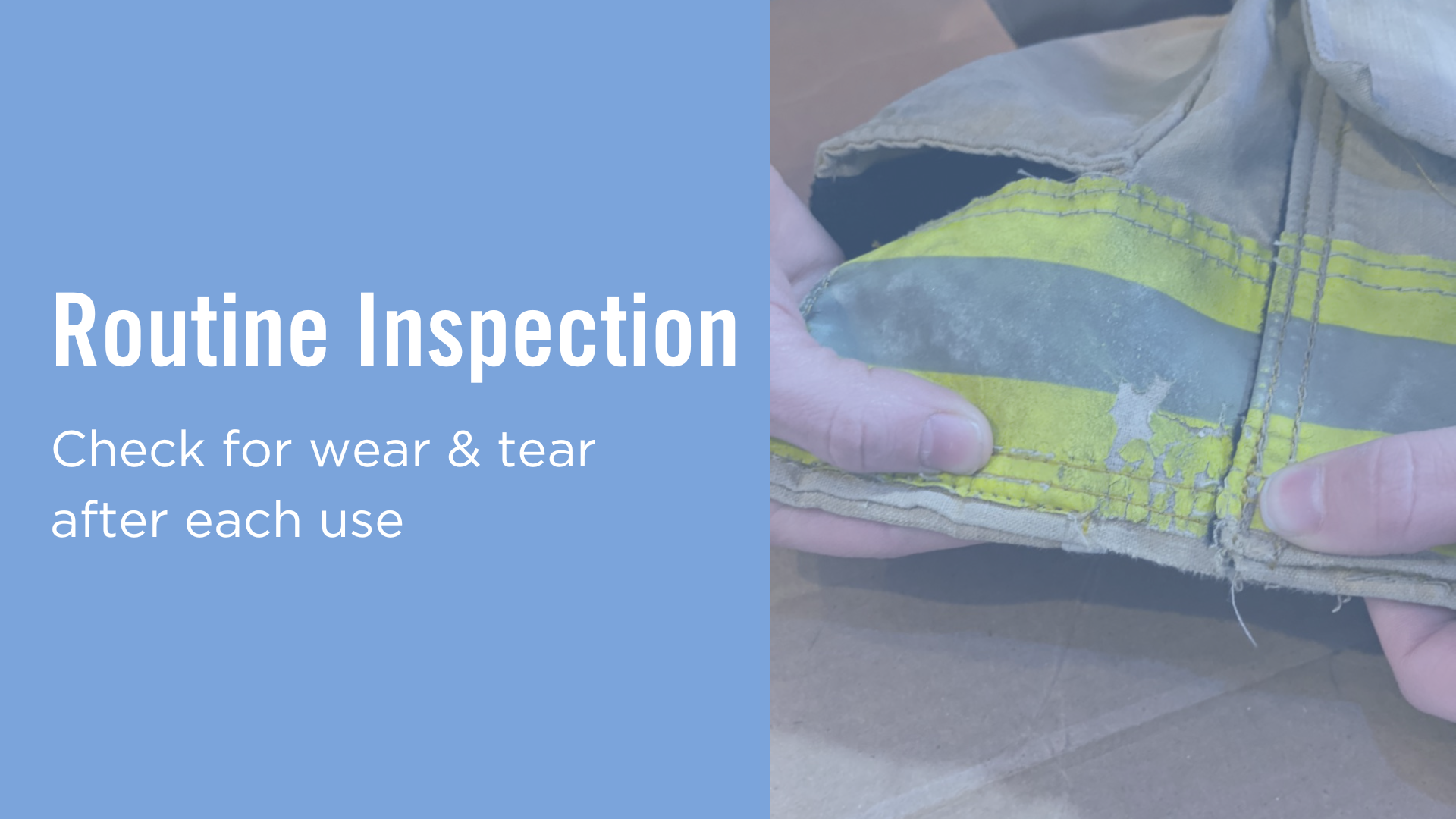
Before and after wearing your gear, check for wear and tear! If you see something, say something—as soon as possible. You want to keep up on minor repairs before they become irreparable. Individual members of your department should conduct a Routine Inspection of their PPE at the beginning of each shift and after each use to inspect for soiling, contamination, or physical damage. If the gear fails any part of this inspection, an Advanced Inspection should be performed.

What's an ISP?
Gear Wash is proud to be a verified ISP. An Independent Service Provider (ISP) is an organization that performs advanced cleaning, advanced inspection, and advanced repairs of firefighting PPE. An ISP must be audited by a third party and go through annual third party verification to provide these services. This ensures that the organization demonstrates excellent cleaning, inspecting, and repairing of garments as maintained by the NFPA 1850 standard.
Advanced Inspection
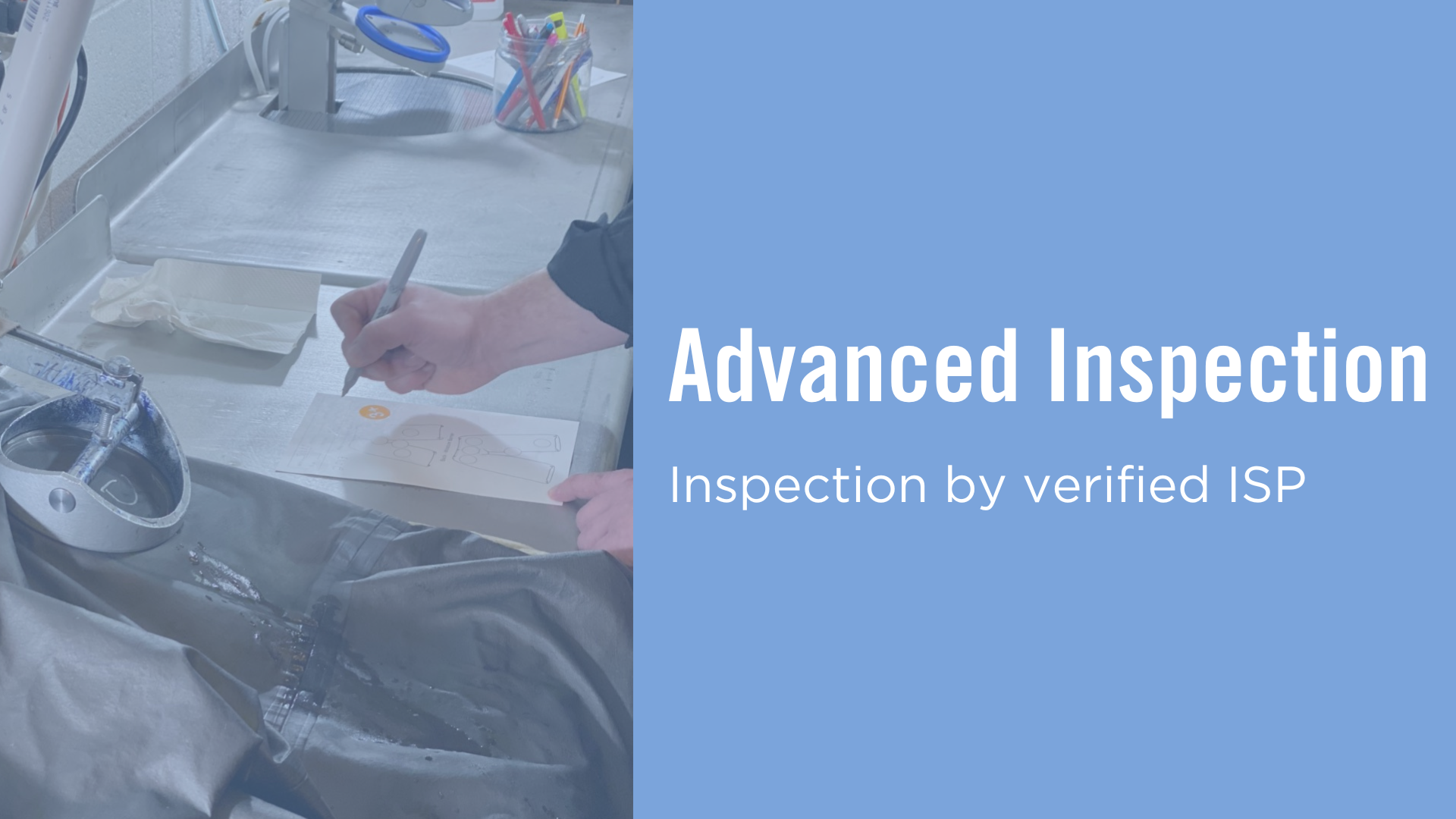
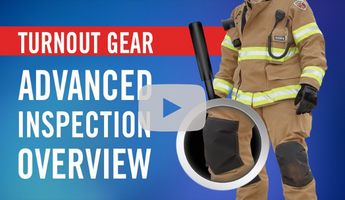
An Advanced Inspection should be performed by a verified Independent Service Provider (ISP) like Gear Wash, a manufacturer-trained organization, or the product manufacturer. These should be conducted annually or whenever a Routine Inspection determines potential damage. The standard outlines the inspection points for each product.
Preliminary Exposure Reduction
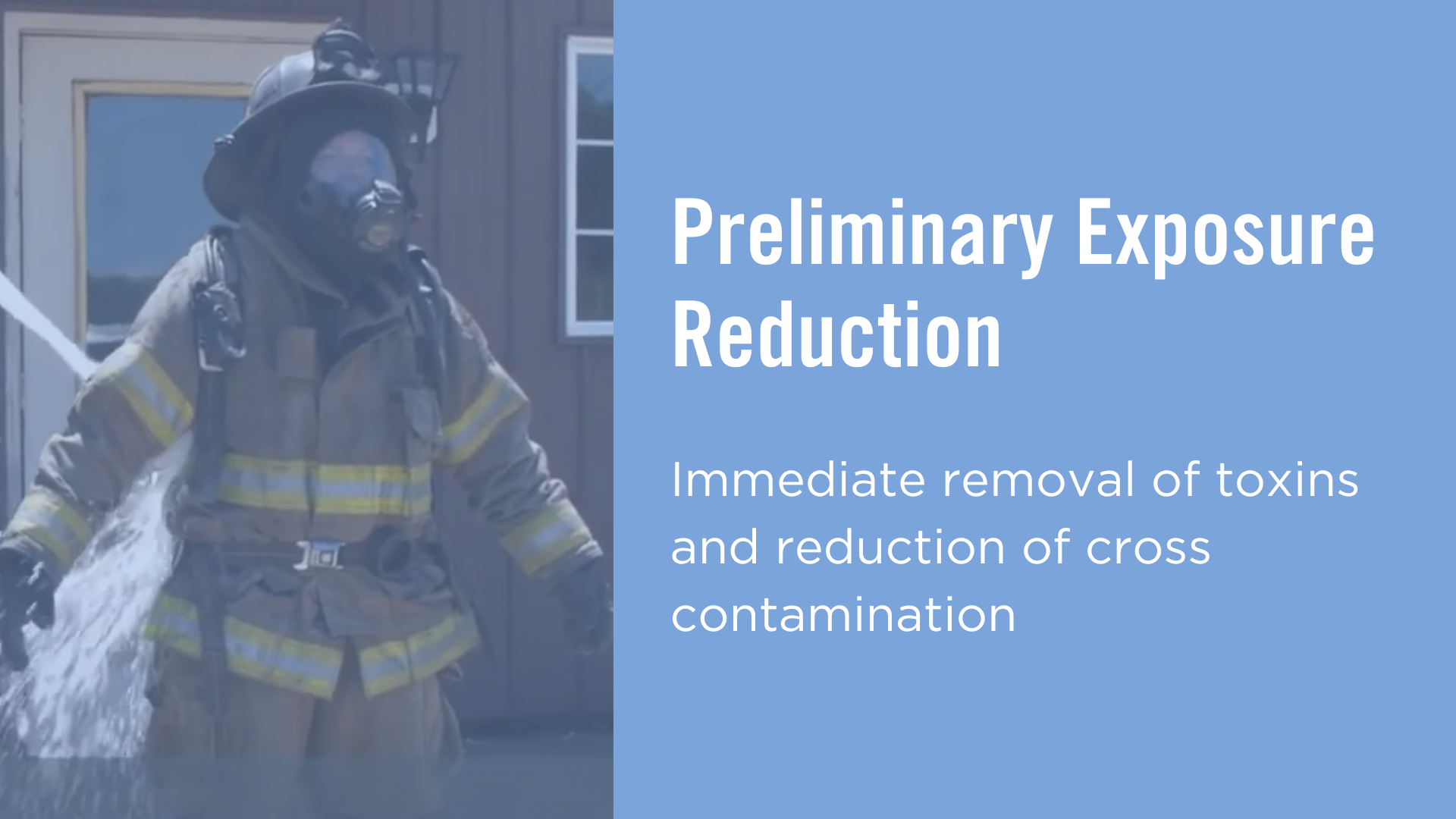
Perform Preliminary Exposure Reduction (PER) immediately after exiting the emergency scene at any incident where gear has become soiled or contaminated. Dry or wet mitigation techniques must be conducted prior to the removal of PPE and then elements must be isolated and bagged. Where possible, bagged elements shall not be transported in the passenger areas to avoid cross contamination.
Following PER, Advanced Cleaning should be performed. More information on PER can be found here.
Advanced Cleaning
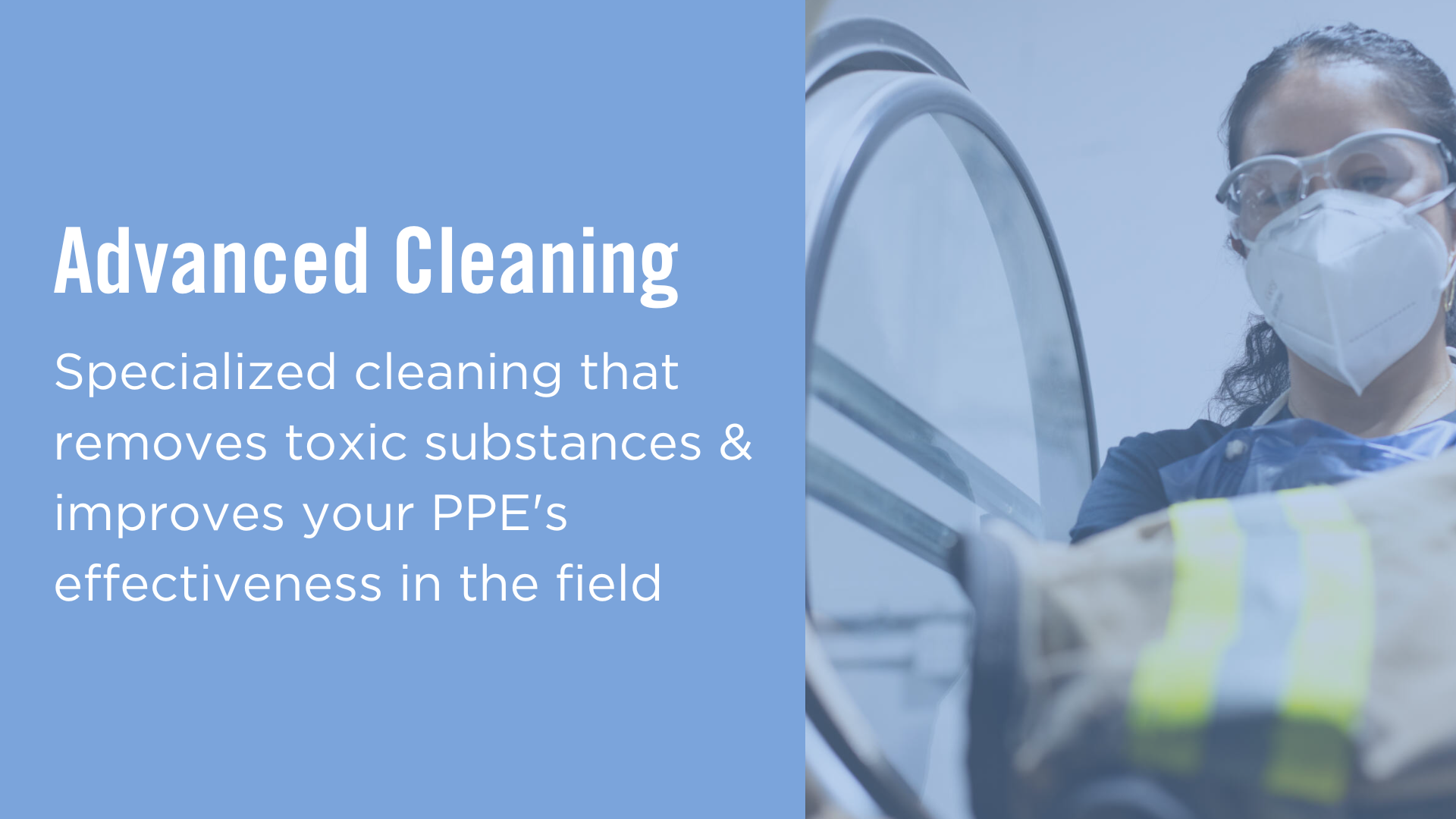
Departments are required to complete two Advanced Cleanings per year, and whenever protective clothing is exposed to combustible materials. Not only can fireground contaminants be dangerous to your health (and the health of those you come in contact with), it can also limit how well turnout gear protects you.
Advanced Cleanings must be performed by the element manufacturer, a manufacturer trained organization, a verified organization, or a verified ISP. Soiled gear must have Advanced Cleaning before reuse.
Storage
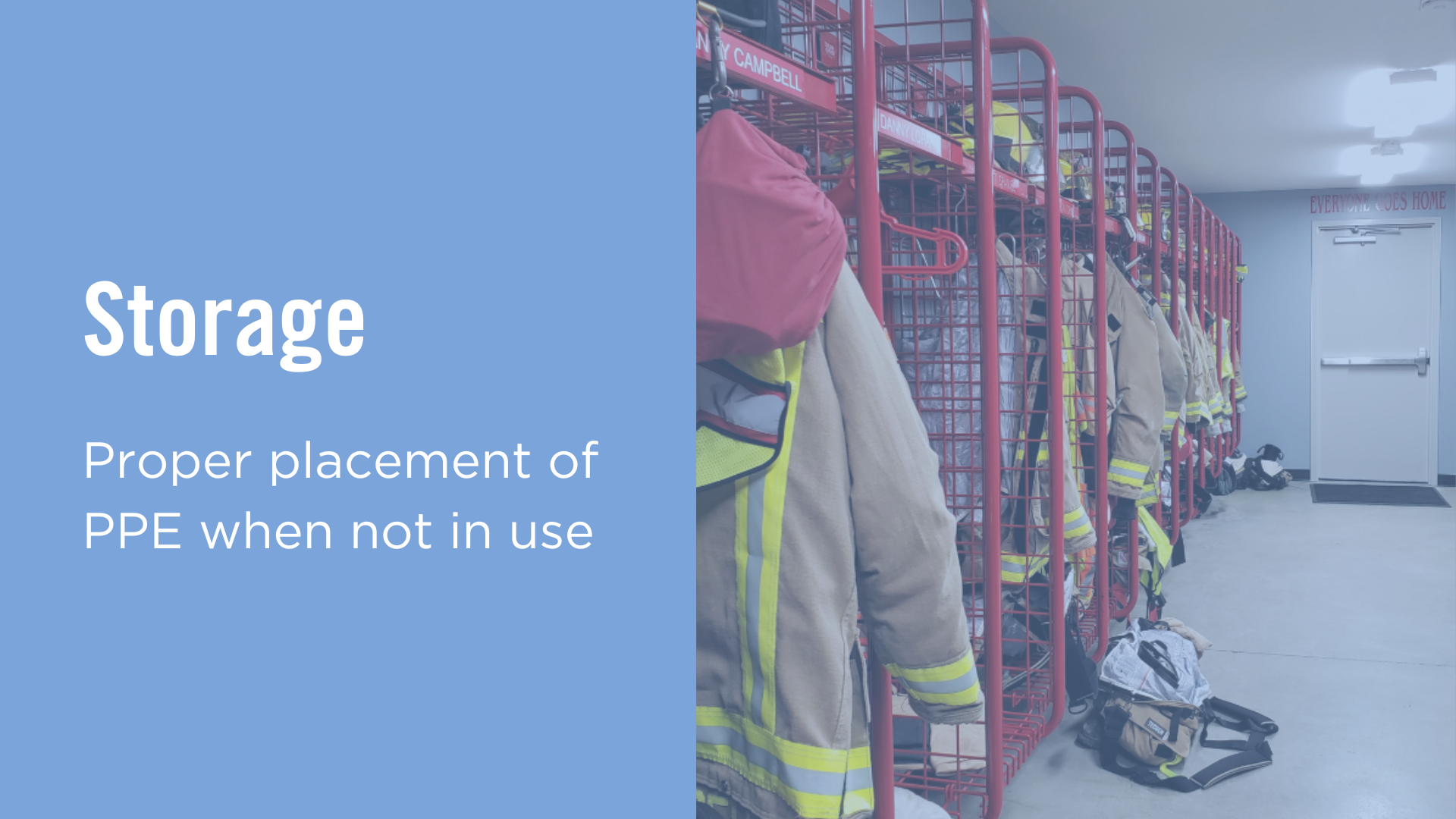
Prolonged exposure to UV rays (i.e., sunlight) and fluorescent lighting can damage your turnout gear. Before firefighting PPE, it should be clean and dry, avoiding contact with contaminants like oils, solvents, acids, or alkalis.
Storage areas must be well ventilated, avoiding temperatures below -32C (-25F) or above 82C (180F).
When transporting, PPE should be placed in an airtight protective case or clear plastic bag to prevent damage or cross contamination.
Repair
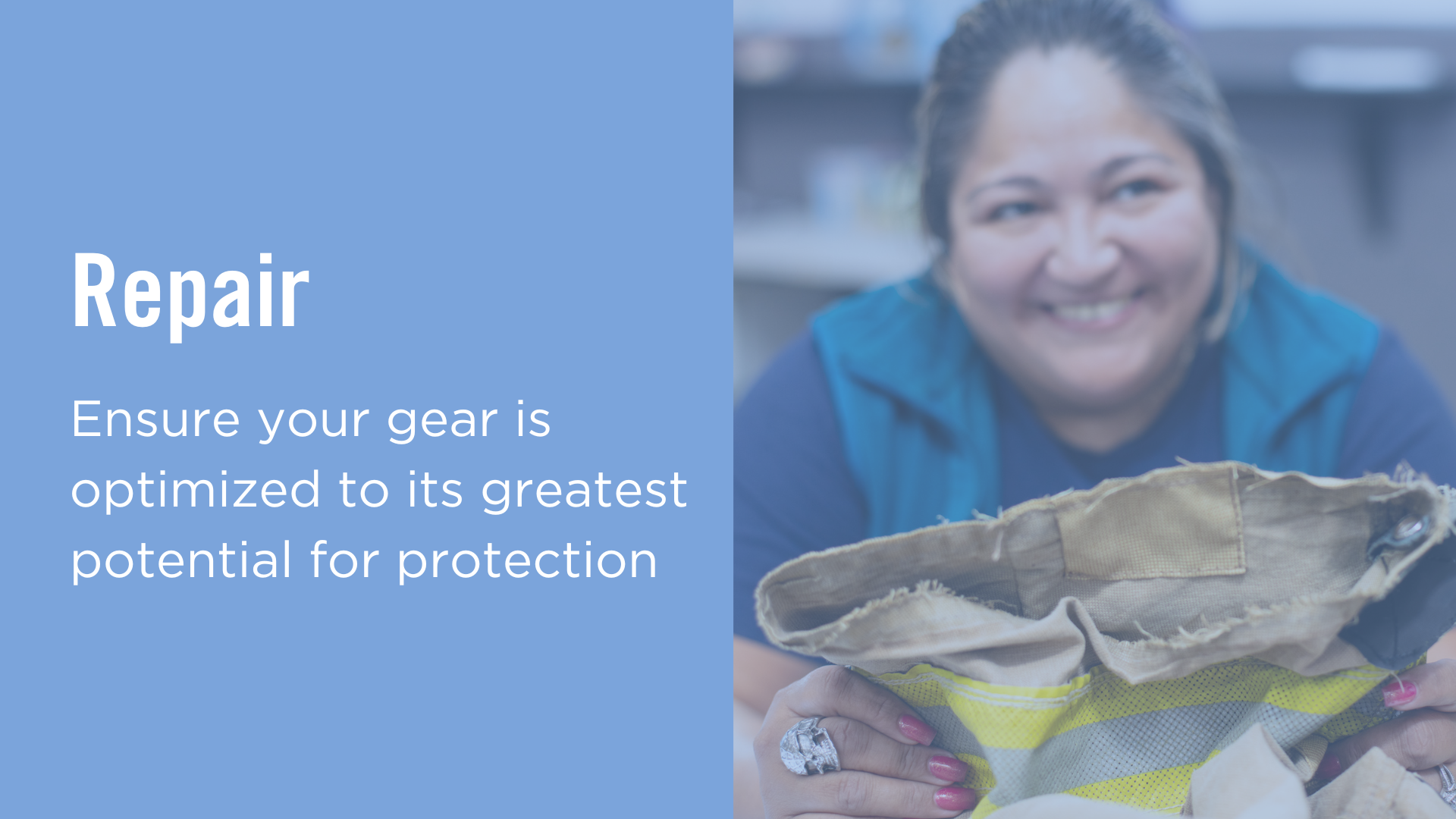
Repairs are nearly inevitable for all firefighting gear. Rips and tears can compromise your gear's protection, but proper repair can bring your gear back up to fighting shape. All repairs must be performed by:
- The original manufacturer
- A verified and trained ISP
- A member of the organization who has received training
Keep in mind, an Advanced Cleaning should be performed prior to repair. All repairs and alterations must use materials and components that are compliant with NFPA standards.
Retirement
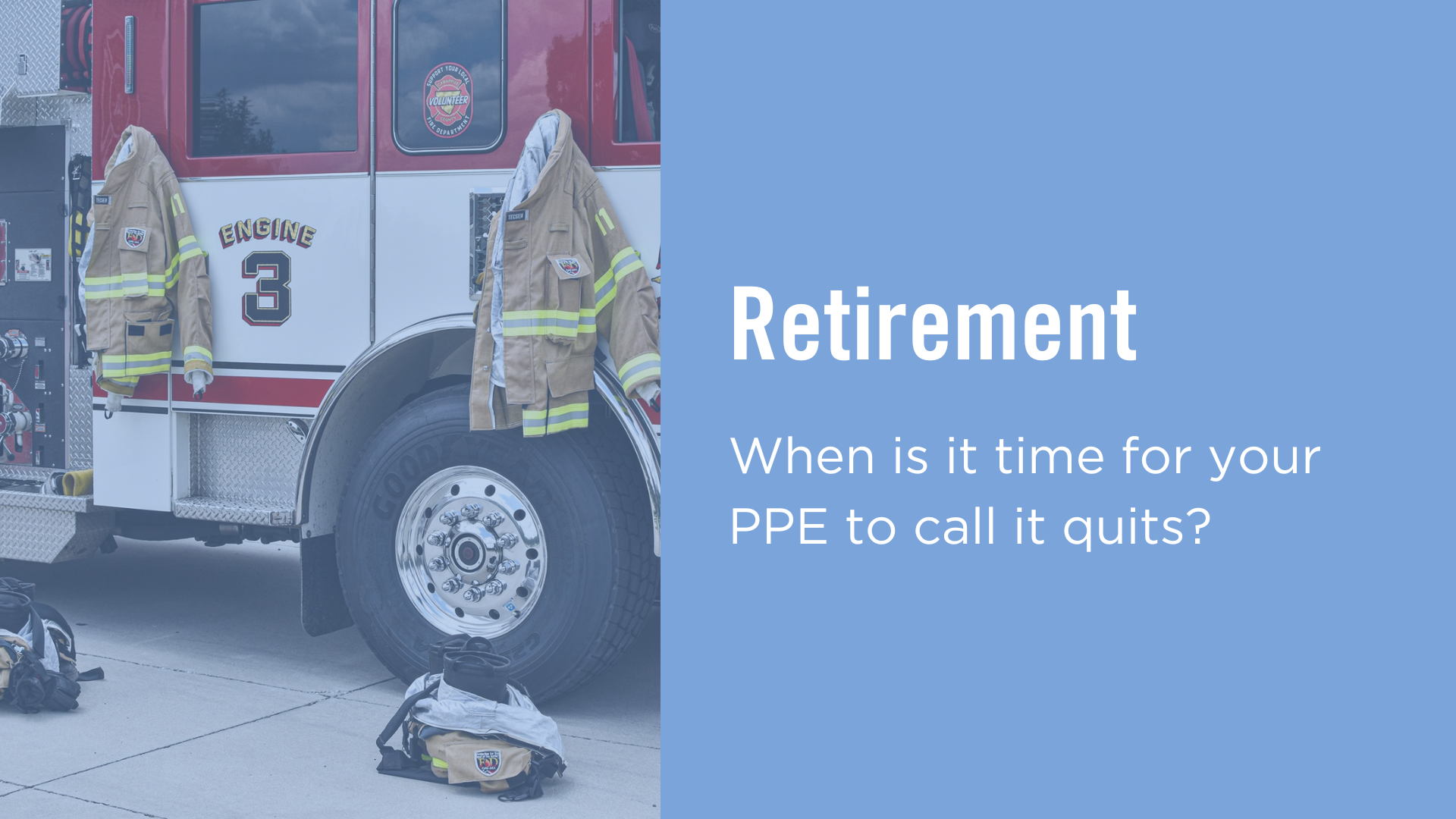
Eventually, your PPE will need to be replaced. Structural turnout gear and ensemble elements should be retired no more than 10 years from the manufacturing date. Gear can also be condemned if no longer provides adequate protection or is overly expensive to repair compared to its age. It's important to replace your turnout gear if it is:
- Contaminated
- No longer possible to clean
- Defective
- Worn or damaged beyond reasonable repair
- Not compliant with NFPA standards
- Workplace requirements have changed and the gear is no longer usable
Your Partner in Safety
It's important to remember that these are just the highlights of NFPA 1850. From water hardness levels to extract PSI, the care and maintenance of the gear you rely on every day isn't easy.
That's why Gear Wash is proud to partner with departments around the country for all of your NFPA 1850 questions. From training to state-of-the-art services, our experts have the know-how to keep you and your department client. See what we can do for your safety today!